Why Musical Instruments Are a Strong Category for Fair Trade Retailers
Why Musical Instruments Are a Strong Category for Fair Trade Retailers
For retailers focused on fair trade, cultural products, and meaningful storytelling, musical instruments are a powerful category. They attract customers who value authenticity, creativity, and cultural heritage, making them ideal for concept stores, museum shops, and ethical marketplaces.
Handcrafted musical instruments stand out visually and emotionally. They function both as playable items and decorative objects, expanding their appeal beyond musicians. This dual use increases their market reach and reduces dependency on niche audiences.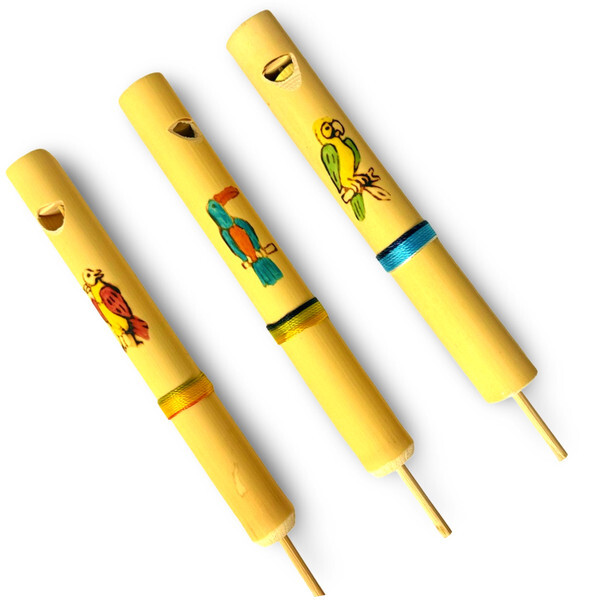
From a business perspective, musical instruments offer strong perceived value. Customers understand that handmade instruments require time, skill, and materials, which supports fair pricing and healthy margins. When paired with clear storytelling about origin and craftsmanship, conversion rates increase significantly.
Musical instruments also perform well as gift items. Their cultural meaning and uniqueness make them memorable purchases, especially during holidays and special occasions. For retailers, this means consistent demand across different seasons.
By offering fair trade musical instruments, retailers align their product assortment with values of sustainability, education, and long-term customer trust.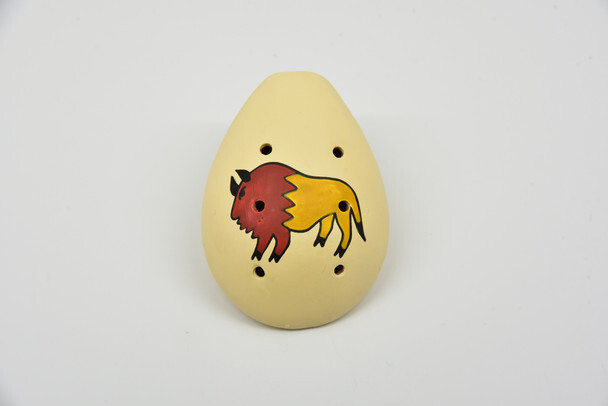
Recent Posts
-
Artisan Heritage Aluminum Cast Creations: Garden & Home Art Accents
Artisan Heritage Aluminum Cast Creations: Garden & Home Art Accents In 2015, after years of working …22nd Sep 2026 -

Why Businesses Are Using Large Animal Sculptures to Create Memorable Spaces
There's a reason people remember the giant animal outside a business long after they've forgotten th …29th Jul 2026 -
Animal Sculptures: How to Choose the Right Statement Piece for Your Space
In SanYork , animal sculptures have a way of changing a space before any other object does. A life- …26th Jul 2026