Traditional Musical Instruments and Slow Shopping: A Better Way to Sell
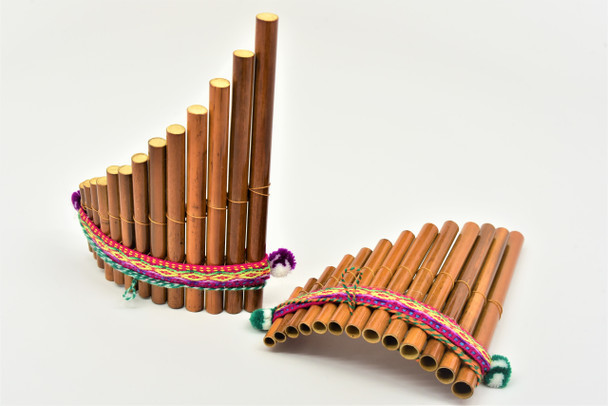
Slow shopping is reshaping how people buy and sell products. Instead of impulse purchases, customers are seeking items with meaning, longevity, and ethical value. Traditional musical instruments naturally fit into this mindset.
These instruments are not designed for fast consumption. They are made slowly, often by hand, using materials sourced responsibly. This production rhythm aligns with fair trade principles and creates products that customers respect and care for.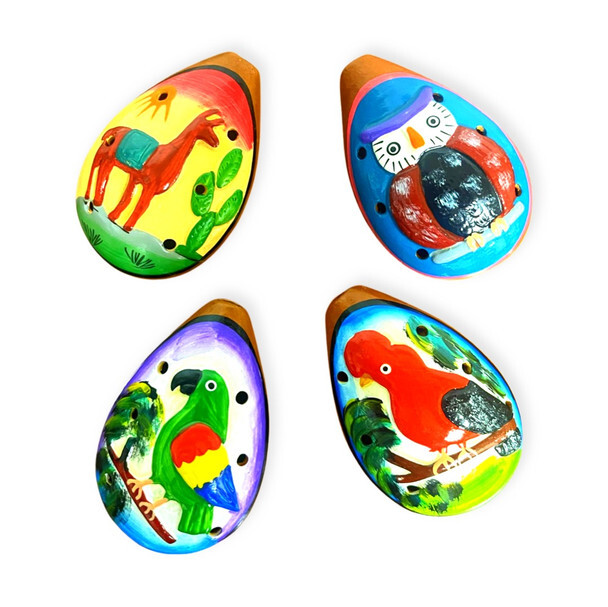
For retailers, slow shopping means fewer markdowns and stronger relationships with buyers. Traditional musical instruments do not follow trends; they remain relevant over time. This makes them ideal for thoughtful inventory planning and long-term collections.
Educating customers about the origin, materials, and cultural role of each instrument enhances engagement. When customers understand what they are buying, they are more likely to value it and return for future purchases.
Selling traditional musical instruments is not about volume. It is about offering pieces that resonate, last, and create connection.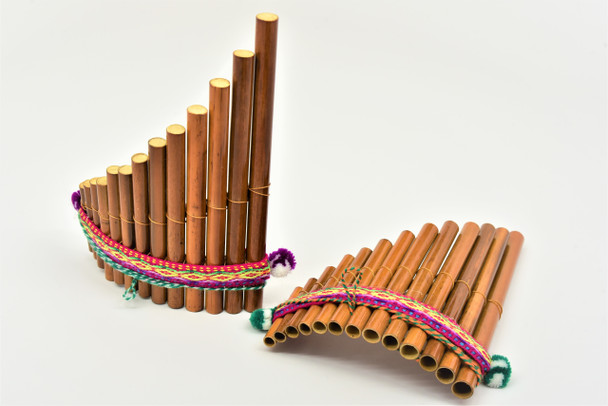
Recent Posts
-
Artisan Heritage Aluminum Cast Creations: Garden & Home Art Accents
Artisan Heritage Aluminum Cast Creations: Garden & Home Art Accents In 2015, after years of working …22nd Sep 2026 -

Why Businesses Are Using Large Animal Sculptures to Create Memorable Spaces
There's a reason people remember the giant animal outside a business long after they've forgotten th …29th Jul 2026 -
Animal Sculptures: How to Choose the Right Statement Piece for Your Space
In SanYork , animal sculptures have a way of changing a space before any other object does. A life- …26th Jul 2026