Animal Sculptures: How to Choose the Right Statement Piece for Your Space
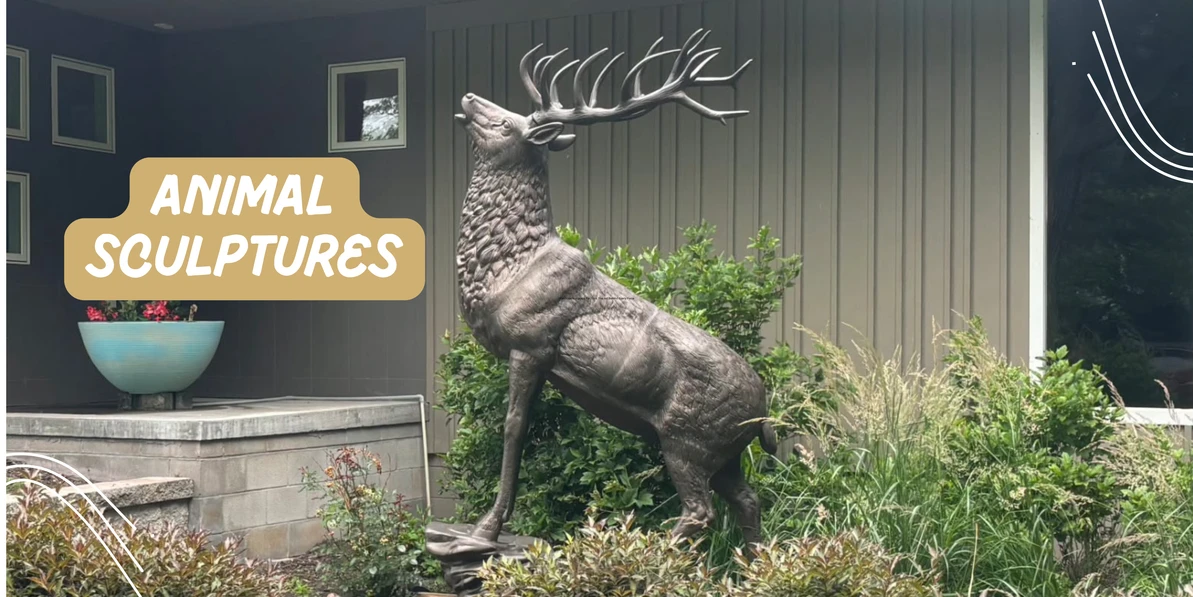
In SanYork , animal sculptures have a way of changing a space before any other object does.
A life-size horse at the entrance of a ranch creates an entirely different feeling from a flying pig welcoming visitors to a playful outdoor space.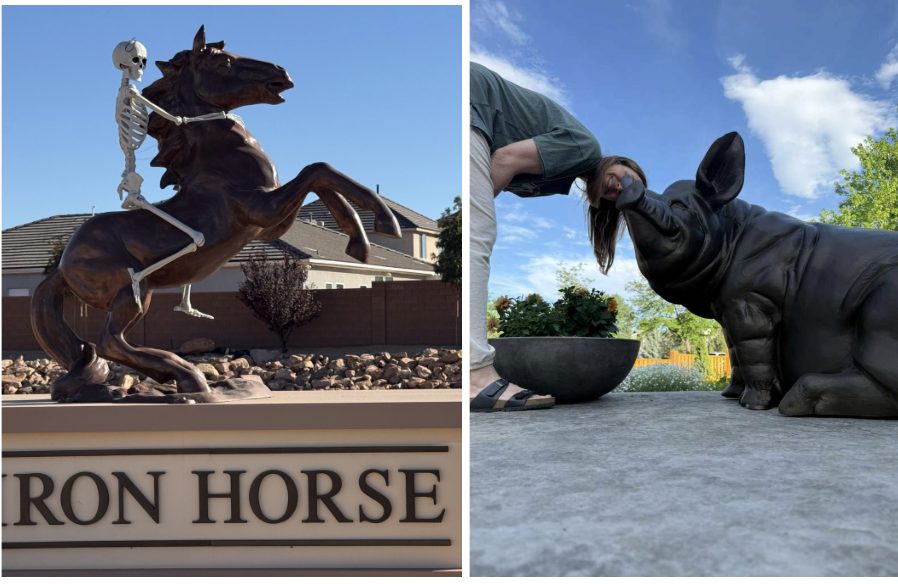
That's why choosing animal sculptures shouldn't begin with the question, "Which animal do I like?"
A better question is:
What do I want this space to feel like?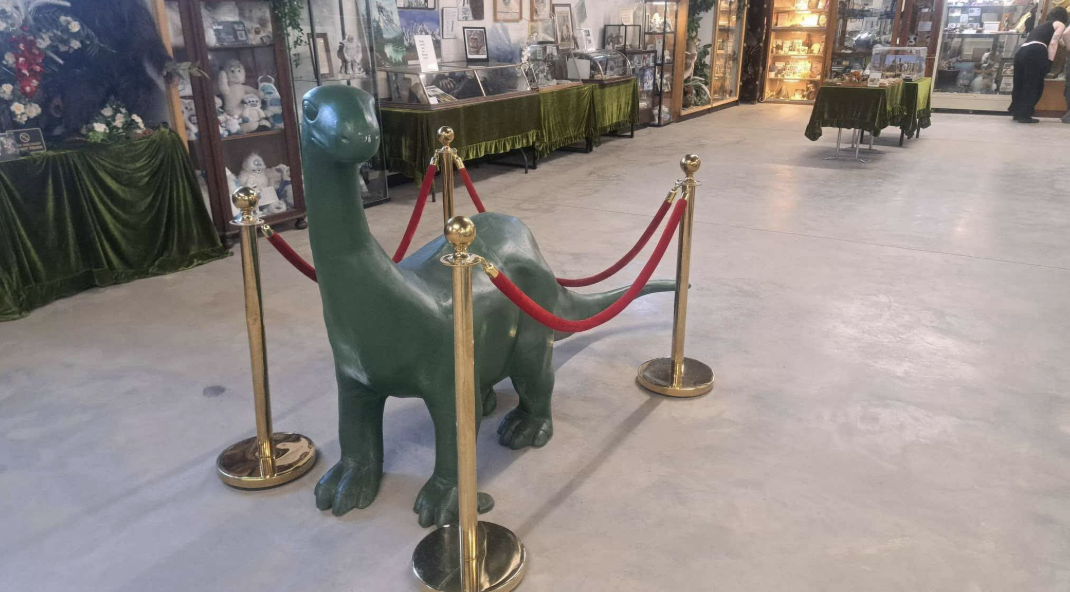
Start With the Personality of the Space
Different animals naturally communicate different ideas.
A horse sculpture can evoke movement, freedom, western heritage, equestrian culture, or elegance.
A bull sculpture creates a stronger, more powerful presence and can work beautifully in ranches, western environments, restaurants, commercial entrances, and large landscapes.
A bear sculpture feels at home in mountain properties, cabins, lodges, resorts, and natural landscapes.
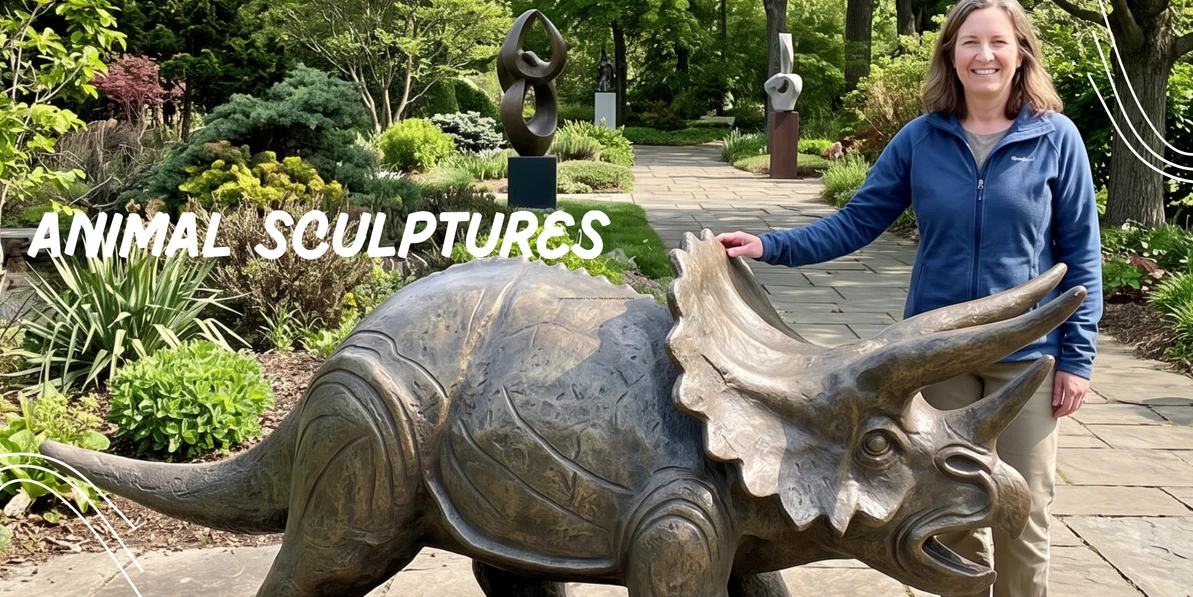
A dinosaur sculpture immediately introduces surprise and playfulness, making it particularly interesting for museums, attractions, businesses, and spaces designed to become memorable.
And then there are unexpected pieces, such as a flying pig sculpture, that work precisely because people don't expect to see them.
The best animal sculpture isn't necessarily the most realistic one. It's the one that reinforces the personality you want the space to have.
Consider Scale Before You Fall in Love
One of the biggest mistakes when purchasing large animal sculptures is thinking about the sculpture without thinking about its surroundings.
A piece that looks enormous inside a warehouse may appear surprisingly small once placed against a large building or open landscape.
Before choosing, consider:
- Viewing distance
- Surrounding architecture
- Landscaping
- Pedestrian traffic
- Nearby furniture or décor
- Whether the sculpture will be seen from the street
- Whether visitors will interact or take photographs with it
For an entrance, commercial landscape, ranch, or resort, a life-size or oversized piece can create the strongest impact.
For a patio or smaller garden, a more compact sculpture may become a focal point without overwhelming the environment.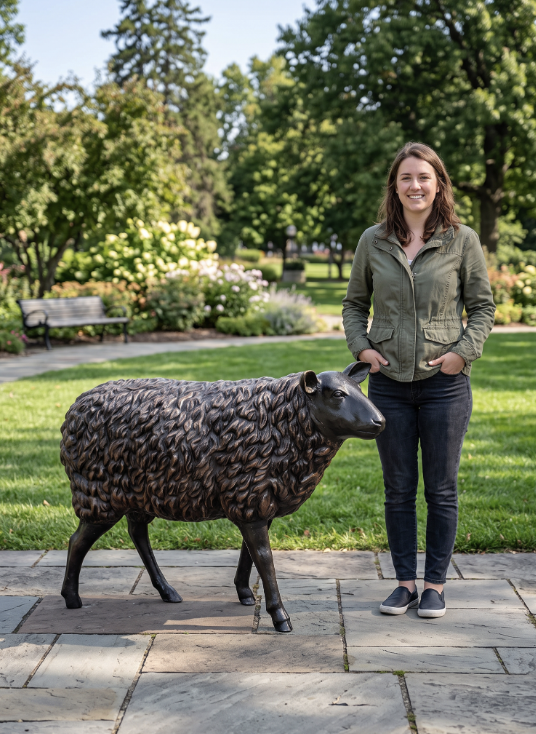
Indoor or Outdoor?
Placement also influences material selection.
SanYork’s animal sculptures are created from recycled aluminum, a material particularly interesting for decorative outdoor applications because aluminum doesn't rust in the same way iron does.
That makes recycled aluminum sculptures suitable for environments such as gardens, patios, ranches, commercial landscapes, resorts, and outdoor attractions.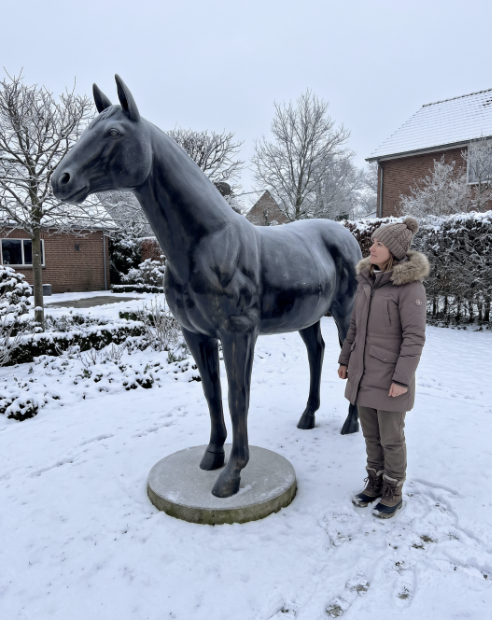
Think About the Sculpture From Every Angle
Unlike wall art, sculpture is three-dimensional.
That means visitors may experience it from the front, side, back, or while walking around it.
When selecting an outdoor animal sculpture, think about where people will first see it and how the silhouette changes from different viewpoints.
A grazing horse creates a different visual experience from a standing horse.
A large dinosaur may become more dramatic when positioned where visitors encounter it unexpectedly.
Placement becomes part of the artwork.
Let the Sculpture Tell People Something About You
The most memorable animal sculptures don't simply fill empty spaces.
They create identity.
They make visitors stop.
They start conversations.
And sometimes, they become the place everyone wants to photograph.
Whether you're decorating a private garden, ranch, commercial property, resort, or public space, start by deciding what you want people to feel.
Then find the animal that tells that story.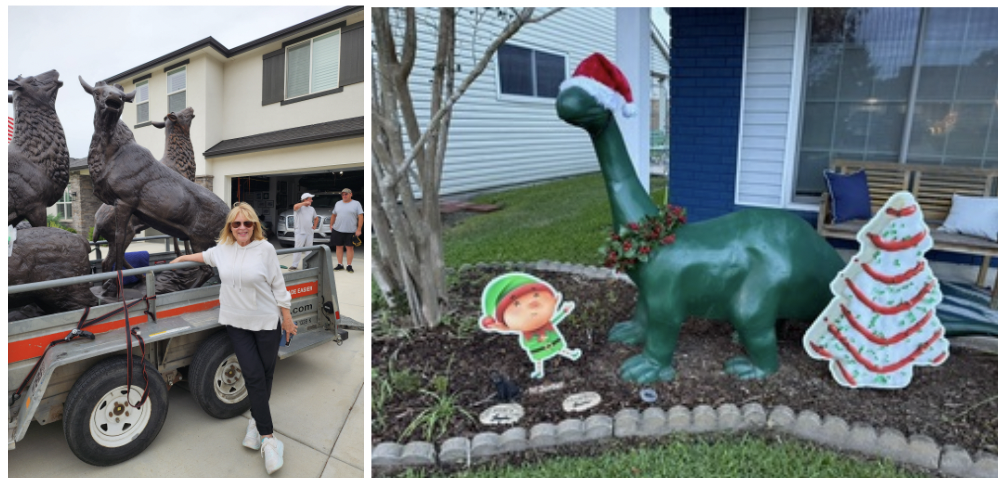
Recent Posts
-
Artisan Heritage Aluminum Cast Creations: Garden & Home Art Accents
Artisan Heritage Aluminum Cast Creations: Garden & Home Art Accents In 2015, after years of working …22nd Sep 2026 -

Why Businesses Are Using Large Animal Sculptures to Create Memorable Spaces
There's a reason people remember the giant animal outside a business long after they've forgotten th …29th Jul 2026 -
Animal Sculptures: How to Choose the Right Statement Piece for Your Space
In SanYork , animal sculptures have a way of changing a space before any other object does. A life- …26th Jul 2026