The Role of Women in Weaving and Their Relationship with Alpaca Scarves in Peru
Weaving has been an ancient tradition in Peru for thousands of years, before the rise of the Inca Empire. Textiles were more than functional items; they were a form of wealth, a symbol of social status, and a crucial element in religious and cultural practices. Women were traditionally the primary weavers in Andean societies.
In Andean communities, weaving skills are passed from mother to daughter, ensuring the traditions are preserved and continued. Women begin learning to weave from a young age, starting with simple tasks and as they grow older they become more skilled. When they reach adulthood, many women are master weavers capable of creating intricate designs that reflect their communities' heritage and beliefs.
The patterns often have deep cultural meanings. Through their weaving, women keep stories and traditions alive, playing a crucial role in the cultural preservation of communities.
For many women in the Andean highlands, weaving is more than just a cultural tradition, it’s an important income. Alpaca scarfs and other textiles are sold in local markets, to tourists through fair trade companies like San York Fair Trade. For example, San York helps connect artisans with buyers around the world. By working together, women weavers can ensure their work is valued appropriately, providing economic security and sustainability.
Weaving has a profound social and cultural impact on women's lives in Peru. The act of weaving is a communal activity that makes strong social bonds among women.
Alpaca scarves and other textiles help maintain a connection to the land and their heritage. The reliance on this local resource reinforces traditional farming practices and the sustainable use of natural materials.
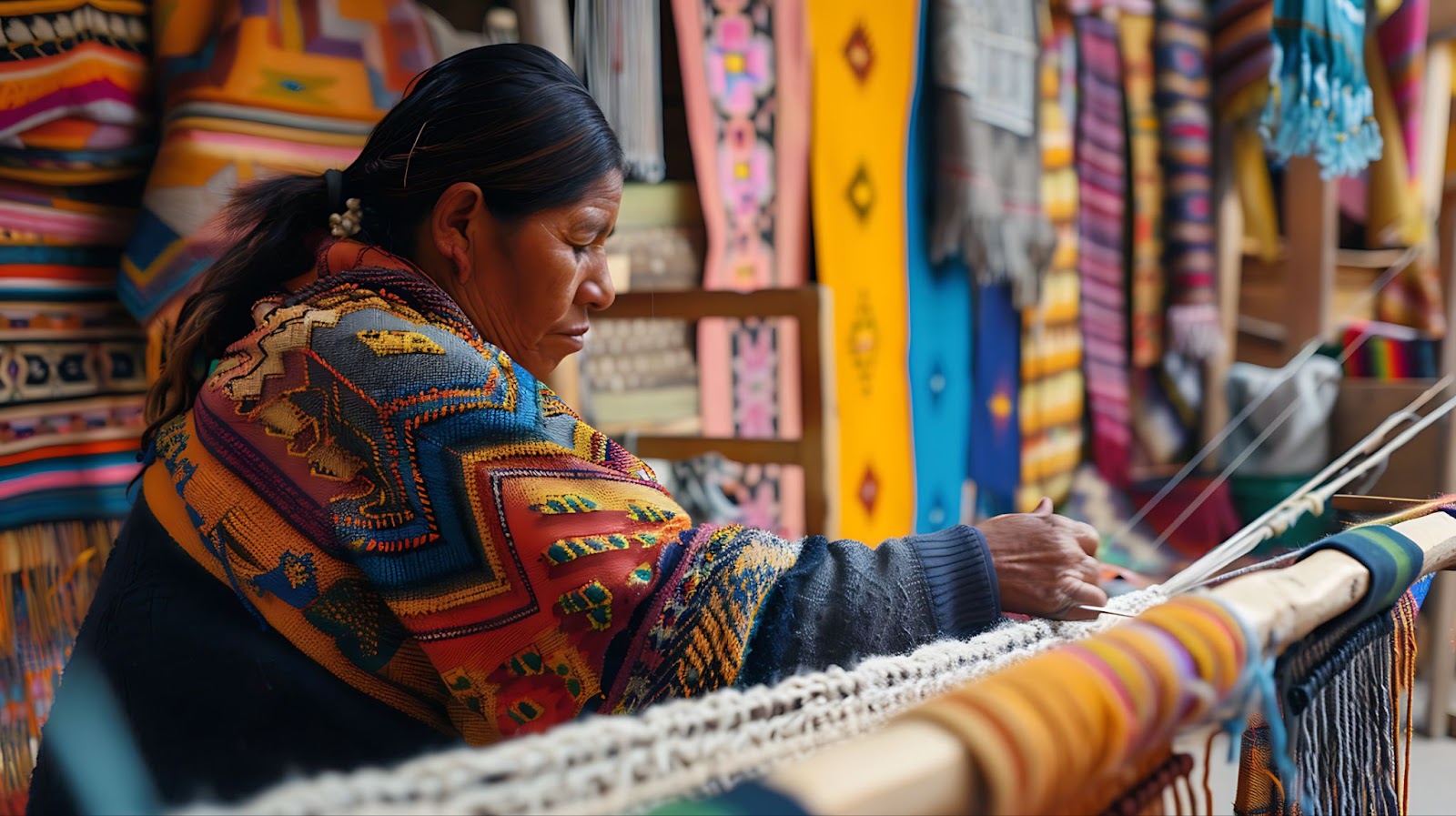
Women play an indispensable role in the production of alpaca scarves in Peru, acting as both custodians of cultural heritage and drivers of economic development. Through their weaving, they preserve ancient traditions, sustain their communities, and contribute to a more sustainable and equitable world.
Recent Posts
-
Artisan Heritage Aluminum Cast Creations: Garden & Home Art Accents
Artisan Heritage Aluminum Cast Creations: Garden & Home Art Accents In 2015, after years of working …22nd Sep 2026 -

Why Businesses Are Using Large Animal Sculptures to Create Memorable Spaces
There's a reason people remember the giant animal outside a business long after they've forgotten th …29th Jul 2026 -
Animal Sculptures: How to Choose the Right Statement Piece for Your Space
In SanYork , animal sculptures have a way of changing a space before any other object does. A life- …26th Jul 2026